.svg)
Alongside established Shimano and SRAM groupsets, selected BICI bikes are also available with WheelTop and RS / SENSAH components. These alternatives combine modern technology, reliable functionality and strong value for money, ranging from conventional mechanical drivetrains to fully wireless electronic shifting. In this guide, we take a closer look at the systems we use, where they come from, how they work, what they are compatible with and what you need to know about servicing and replacement parts.
Routine mechanical and brake maintenance can be carried out by a standard bicycle workshop using conventional service procedures.
Many wear and service items, including chains, cassettes, brake components, bearings and tyres, use widely available bicycle standards.
Depending on the model, BICI bikes are available with WheelTop, RS / SENSAH, Shimano or SRAM drivetrains.
What is WheelTop?
WheelTop is far from a newcomer to bicycle component manufacturing. The company was established in 1951 and has decades of experience producing drivetrain components, including as an OEM supplier to bicycle manufacturers. In recent years, WheelTop has increasingly focused on its own EDS range of wireless electronic shifting systems.
The first EDS OX wireless drivetrain was launched in 2022, followed by the road-focused EDS TX platform. Today, the EDS range includes dedicated electronic shifting solutions for road, gravel and mountain bikes.
The basic principle behind EDS is straightforward: gear changes are controlled electronically rather than through a conventional mechanical shift cable. The shifter sends a wireless command to the derailleur, while the WheelTop app allows the system to be configured and fine-tuned. Depending on the system, riders can set the number of cassette sprockets and fine-tune derailleur indexing and gear spacing to suit the drivetrain configuration.
Which WheelTop systems do we use on BICI bikes?
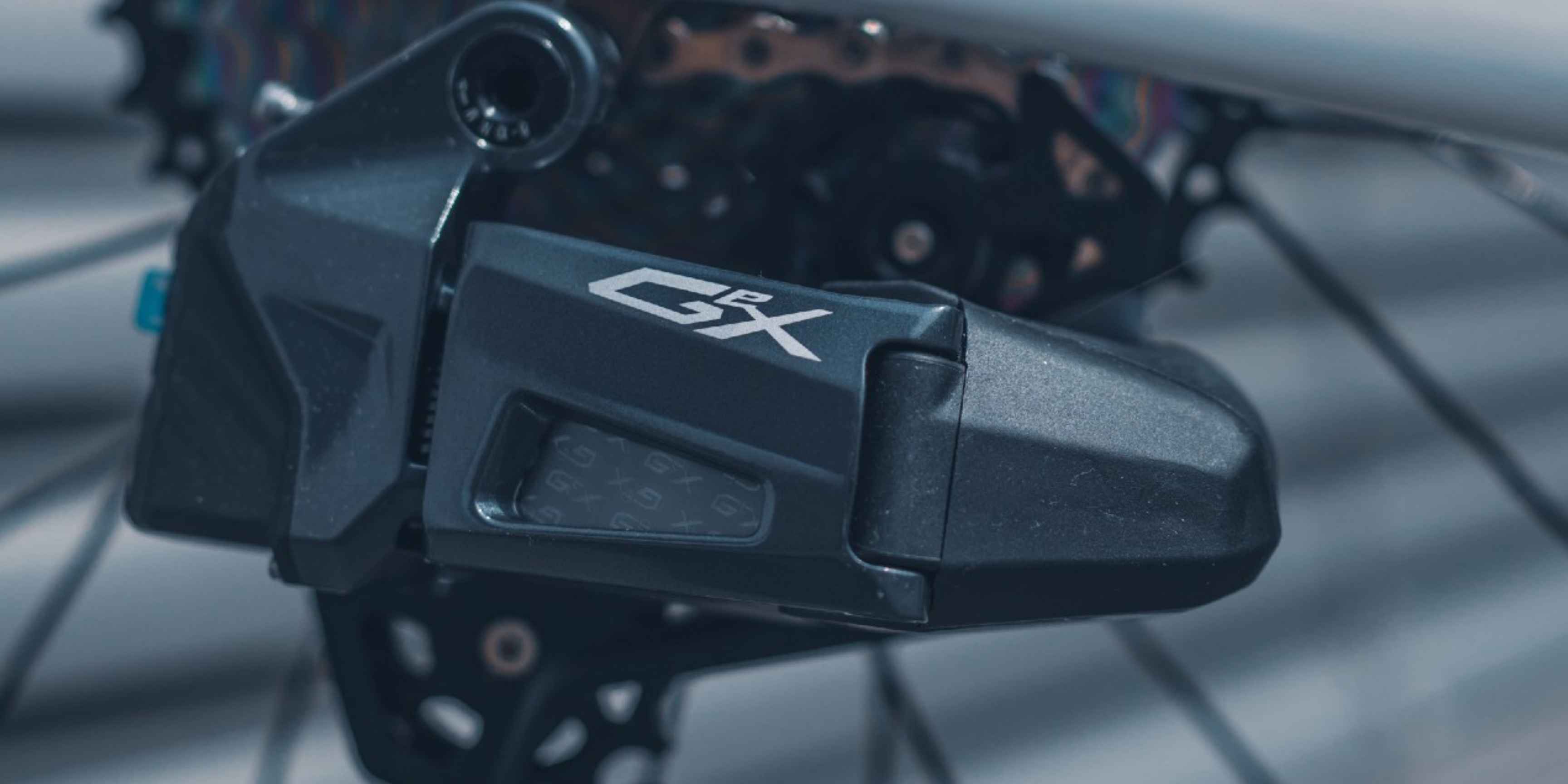
WheelTop EDS GeX 1×13
WheelTop EDS GeX is a wireless electronic shifting system designed primarily for gravel use. On selected BICI builds, we use it in a 1×13 configuration, with a single chainring up front and a 13-speed cassette at the rear.
The 1× layout removes the need for a front derailleur, keeping the drivetrain simple and the cockpit clean, while the 13-speed cassette provides a broad spread of gears for everything from faster sections to steeper climbs.
It is a strong option for riders who like the simplicity of a 1× drivetrain but still want a wide and versatile gear range.
WheelTop EDS TX 2×12
EDS TX is WheelTop's electronic shifting platform for road bikes. At BICI, we use it in a 2×12 configuration, combining two chainrings with a 12-speed cassette.
Wireless control of both the front and rear derailleurs provides precise electronic shifting without conventional shift cables. The 2× drivetrain offers closer gear steps together with a broad overall range, making it particularly well suited to road riding and faster gravel setups.
WheelTop EDS OX 1×12 and 1×13
The EDS OX platform is designed for mountain bikes. Depending on the specific BICI configuration, it is used as a wireless electronic 1×12 or 1×13 drivetrain.
A single-chainring drivetrain is now standard across much of modern mountain biking: there is no front derailleur, and the complete gear range is controlled through a single rear derailleur.
How can WheelTop work with different cassettes?
Unlike a conventional indexed mechanical drivetrain, the electronic derailleur is not limited to one fixed cable-pull ratio. WheelTop allows the number of cassette sprockets and derailleur positions to be configured and fine-tuned electronically through the app.
Current EDS systems are specified by WheelTop for use with 3- to 14-speed cassettes, subject to the cassette-capacity and mechanical limits of the particular derailleur.
That does not mean we use arbitrary drivetrain combinations on BICI bikes. Each model is built around a specific, tested combination of cassette, chain, chainring and derailleur.
What does Shimano compatibility mean in practice?
WheelTop uses a number of widely available component standards, including certain service parts that are compatible with Shimano specifications. This can make routine maintenance and long-term ownership more straightforward.
For example, WheelTop specifies selected Shimano-compatible brake pads for its hydraulic road and gravel brake calipers and recommends Shimano BH-90-type brake hoses, needles and olives. Its EDS rear derailleurs can also be configured for a range of cassette speeds and sprocket spacing through the WheelTop app.
Important: this does not mean that WheelTop and Shimano electronic drivetrain components can be freely mixed and matched. Shifters, front derailleurs and rear derailleurs still need to form a technically compatible electronic system. Always check the specification of the complete drivetrain before replacing an electronic component.
For the rider, the more important point is that many routine wear items are not proprietary or unusual. Chains, cassettes, brake rotors, brake pads, bearings, tyres and other service parts can be serviced and replaced using standard bicycle components, provided the replacement matches the drivetrain speed, freehub standard and specifications of the individual build.
What about RS / SENSAH?
Selected BICI configurations use mechanical shifting components listed in our specifications under RS / RETROSPEC / SENSAH. SENSAH is a bicycle drivetrain manufacturer established in 2014, specialising in shifting components for performance road and mountain bikes.
On BICI bikes, these components are used primarily in 1×12 and 2×12 mechanical configurations. Unlike WheelTop EDS, shifting is mechanically actuated: the movement of the shift lever is transferred to the rear or front derailleur through a conventional shift cable.
This means routine adjustment follows the same basic principles as other mechanical drivetrains. Selected road and gravel configurations also use hydraulic disc brakes, so procedures such as brake bleeding, pad replacement, rotor inspection and mechanical derailleur adjustment are all familiar workshop tasks.
Do I need a specialist workshop for WheelTop or RS?
Not for normal bicycle maintenance. Routine mechanical and brake service can be carried out using standard bicycle workshop procedures, and the bike does not require any BICI-specific service equipment.
- chain and cassette replacement,
- brake pad and rotor replacement,
- hydraulic brake bleeding,
- bearing servicing or replacement,
- RS / SENSAH mechanical drivetrain adjustment,
- tyre replacement and other routine maintenance.
WheelTop electronic shifting is configured and calibrated through the WheelTop app, so routine drivetrain setup does not require a proprietary workshop computer or a visit to a single authorised service centre. If an electronic component itself needs replacing, the correct replacement still needs to be selected for the particular system and drivetrain configuration.
Prefer Shimano or SRAM? Those options are available too.
The drivetrain choice is yours. We use WheelTop and RS because they allow us to offer technically interesting builds with a strong balance of performance, technology and price. If you would rather choose a drivetrain from a brand you already know, selected BICI models are also available with Shimano or SRAM components.
Depending on the bike, the BICI range includes options such as Shimano 105, Shimano 105 Di2, Shimano DEORE and Shimano XT, as well as SRAM Apex, SRAM Rival eTap AXS and SRAM Eagle drivetrains.
Wireless electronic shifting systems for gravel, road and mountain bikes.
Mechanical 1×12 and 2×12 drivetrains using conventional cable-actuated shifting.
Established mechanical and electronic drivetrain options, depending on the individual BICI model.
FAQ
Can a regular bike shop service a WheelTop-equipped bike?
Yes, for routine mechanical and brake maintenance. Standard service tasks use conventional bicycle workshop procedures, while WheelTop electronic shifting can be configured and calibrated through the WheelTop app.
Are WheelTop components compatible with Shimano?
Some service components use Shimano-compatible standards. WheelTop specifies compatible Shimano brake pads for selected brake calipers and recommends BH-90-type brake hoses, while EDS rear derailleurs can be configured for different cassette setups. This does not mean that electronic shifting components from WheelTop and Shimano can automatically be mixed and matched.
What happens if the rear derailleur needs replacing in the future?
The rear derailleur is a separately replaceable component rather than a permanent part of the bike. If it ever needs replacing, contact us and we will help identify the correct current replacement or another technically compatible solution for your drivetrain.
Is an RS / SENSAH mechanical drivetrain more difficult to service than Shimano?
Routine adjustment is fundamentally similar to other cable-actuated mechanical drivetrains. Derailleur indexing, cable replacement and normal drivetrain maintenance follow standard workshop procedures.
Choose the drivetrain that suits you
Looking for wireless electronic shifting, a proven mechanical drivetrain or a specific Shimano or SRAM setup? Depending on the model, you can choose a configuration to suit your riding style, priorities and budget.
GET IN TOUCH